
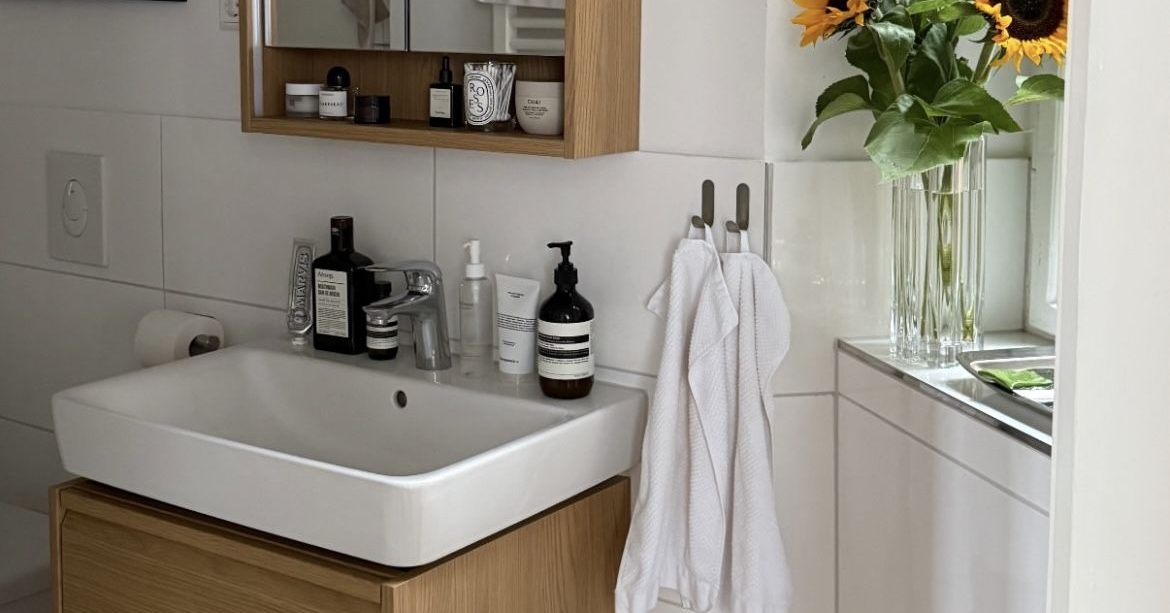
Silverfish in the bathroom often find moisture, shelter, and food there. Start by confirming the insect, then repair damp areas, clear dust and paper clutter, and seal gaps. A silverfish stranded in the bathtub doesn’t establish that it came through the drain.
Where do the bugs hide and feed? Look inside the vanity as well as at the shower; the room’s open floor doesn’t tell the whole story.
Check the damp spots silverfish can use
For confirmed silverfish, deal with dampness early. The National Pesticide Information Center advises fixing leaks, removing standing water, using fans, and trying a dehumidifier in enclosed damp spaces.
Find the wet spot first. Use this table to check the room, then address the problems you find; a bug sighting alone doesn’t tell you which repair is needed.
| Bathroom area | What to look for | What to address |
|---|---|---|
| Inside the vanity | Drips, water droplets on pipes, or a damp cabinet floor | A plumbing leak or condensation |
| Shower and tub surroundings | Water left on accessible surfaces after use | Drying and ventilation |
| Stored supplies | Paper packaging, old boxes, dust, and rarely disturbed items | Food sources and hiding places |
| Pipe openings and trim | Visible gaps around penetrations and edges | Entry routes and sheltered cracks |
Look below the basin. Check the pipe joints, cabinet floor, and gaps around the pipes, rather than stopping at the clean sink above them.
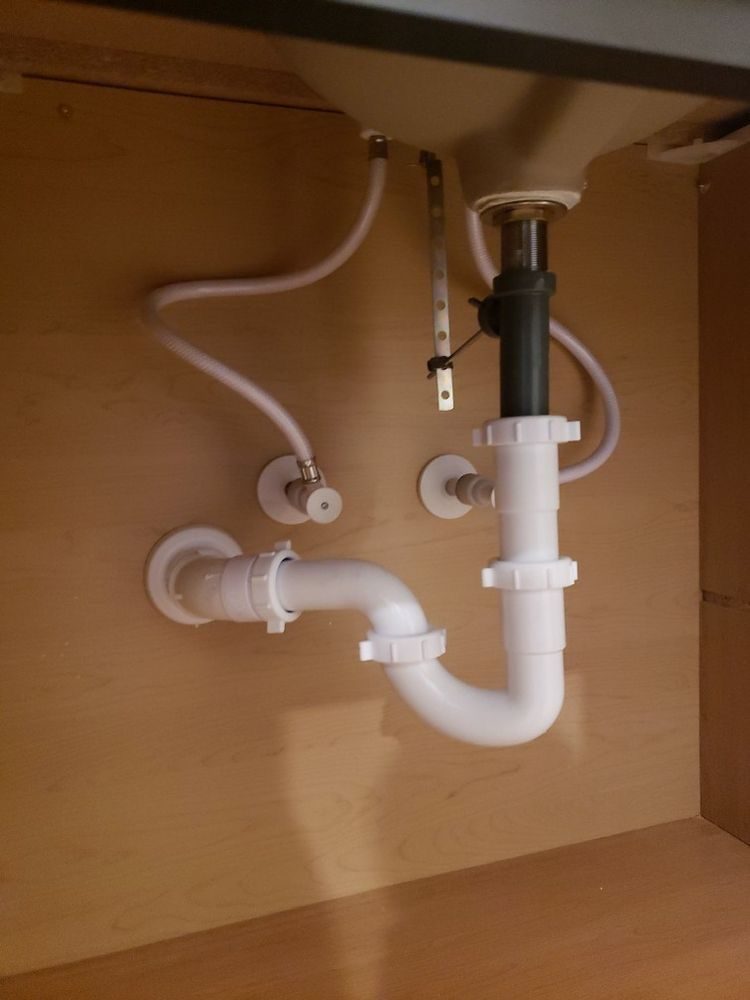
A leak needs repair. Wiping the puddle doesn’t stop the drip, while damp air calls for fans or a dehumidifier where appropriate. Neither is a promise that one humidity reading will get rid of every bug.
Species differ. University of Missouri Extension lists some household silverfish as tolerating a wide humidity range, so finding one doesn’t prove there’s a leak, and a dry room doesn’t rule them out.
If the insect has wings and flies, use the separate guide to small flies in the bathroom. Drain-fly breeding material calls for a different inspection from the paper, cracks, and damp surroundings discussed here.
Confirm the silverfish before treating the vanity
Dampness is a clue, but check the bug too. Look for a flat, tapering body, long antennae, no wings, and three thin tails at the rear. A common silverfish looks silvery or pearl gray.
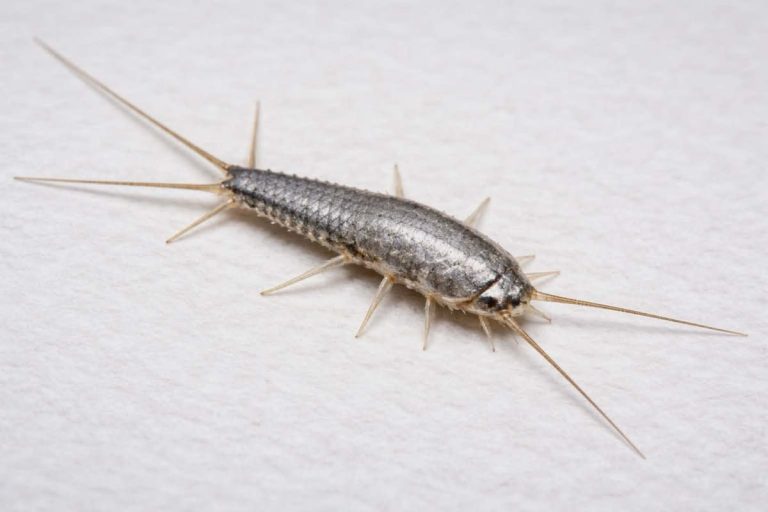
Take a clear photo if you can. Speed alone isn’t enough to name the bug, and your local Extension office can help if you’re unsure what you found.
Silverfish are active at night and hide during the day. Opening a cabinet or moving a stored item can disturb one, so a quiet cupboard can suddenly produce a scurrying insect.
A silverfish in the tub isn’t a reason to dose the drain
A trapped insect can make the drain look like the obvious source. UC’s Statewide IPM Program explains that these bugs can fall into tubs or sinks and fail to climb the smooth sides.
Check the nearby shelter and moisture; a trapped bug isn’t proof of a drain problem. Don’t put insect sprays into sinks, drains, or water; UC IPM warns against that use.
Note where you found the bug. Inside the dry tub and running along the vanity base are different findings, even if they happened in the same room.
Remove silverfish food and cover from bathroom storage
After checking water and access points, examine what is stored around them. Silverfish can feed on paper, wallpaper paste, and the glue in bookbindings, as well as household dust and debris. Old packaging can also give insects somewhere to hide.
Clear out unused boxes and vacuum accessible cabinet corners and edges. Move stored papers and seldom-used linens into a dry place or suitable sealed containers. Cleaning the open floor alone leaves the sheltered storage areas untouched.
Check wallpaper and stored paper for uneven surface damage, but don’t name the culprit from damage alone. Keep a photo of the bug alongside any damaged item when asking for help.
When dampness has affected a wall finish, the bathroom wall options guide compares finishes. Resolve the moisture problem before treating a new surface as the answer to recurring pests.
Use traps to follow silverfish activity, then decide on treatment
Once you’ve dealt with moisture, clutter, and gaps, watch the places where you found insects. UC IPM suggests sticky traps in corners and along edges to track the bugs.
As a practical recordkeeping choice, label each monitor’s location and note what you find when checking it. An insect caught beside the vanity gives a more useful starting point for another inspection than an unlocated report of “more bugs.”
For an occasional insect or light activity, UC IPM says reducing water sources and using physical control may be enough without pesticides. If bugs keep appearing, damage continues, or sightings extend beyond the bathroom, inspect farther afield before adding another spray.
If you choose a pesticide, NPIC advises selecting one intended for silverfish and following its label. Use the label’s directions for the treatment site, application, and precautions; a general recommendation for “powder under the sink” doesn’t supply those details.
Ongoing activity can justify help from a pest professional, especially when you can’t find the hiding places. Share your bug photo, notes on where you found it, and repairs already made so the next check builds on what you know.
Keep that inspection separate from a decorating project. FurnitureAim covers room finishes and layouts, but a new vanity or wall covering is no substitute for finding an active leak or an untreated hiding place.