
Have you ever wondered how you can increase the value of your house? Why does one person sell their home for more money while another receives little or no money?
To increase your chances of successfully selling your home, you may need to make some upgrades and improvements. Sweetening the pot could be the key to selling your house. Renovations may improve a home’s appeal, but spending more does not guarantee a higher sale price or full cost recovery. The U.S. National Association of REALTORS® and NARI’s 2025 Remodeling Impact Report uses estimated project costs and resale recovery, not valuations of individual homes. Compare local sale prices and project quotes before spending; the ideas below range from small upgrades to a major attic conversion.
Here are some ways to increase your chances of selling your home quickly and efficiently.
1. Add Ceiling Fans
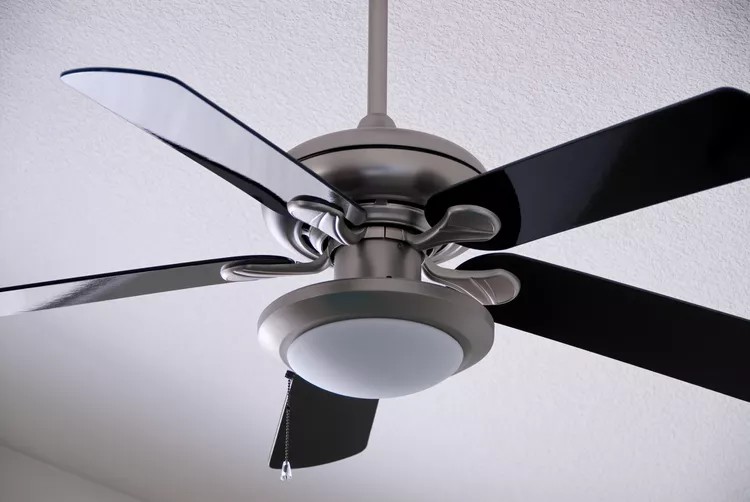
Ceiling fans are a great addition for any home. A ceiling fan can add beauty and comfort to any room. They add character to a room and provide air movement. Ceiling fans are available in a variety of price ranges depending on their size, style and quality. Consider ceiling fans in bedrooms and living areas for air movement and comfort. The U.S. Department of Energy notes that fans cool people rather than rooms; an immediate increase in resale value is not assured.
2. Energy Star Appliances: Save Energy and Money
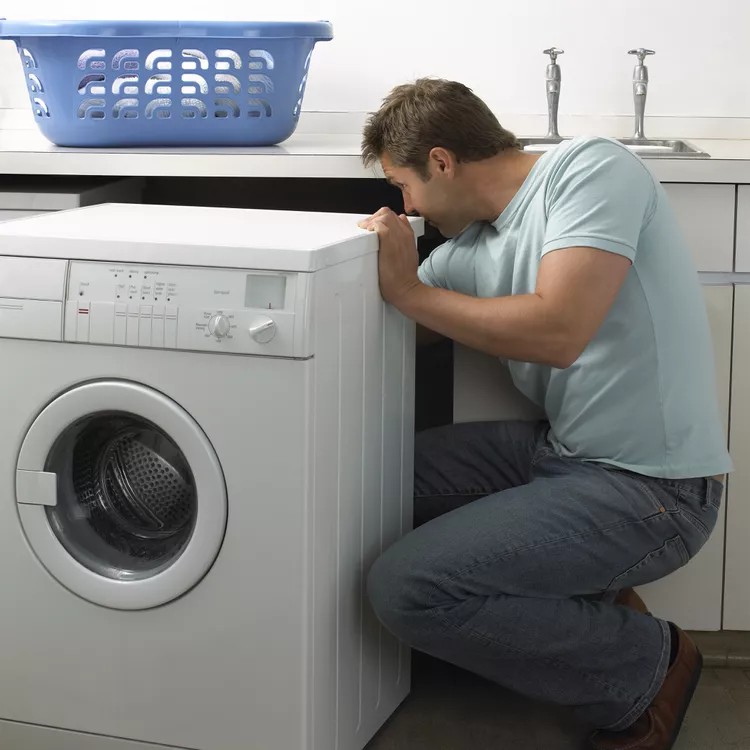
Finding new ways to save money is a growing trend. With the rising cost of electricity, and the cost of consumer goods, it’s important to find new ways of saving. One way to go green is by purchasing Energy Star-rated appliances. These appliances are designed to save resources and energy.
Before replacing an appliance, compare its energy use with the replacement model’s label. In the U.S., the yellow EnergyGuide label gives estimated annual operating costs for comparing similar models; actual savings depend on your use and energy rates.
ENERGY STAR requirements vary by appliance category; do not apply one energy or water savings percentage to every model. Program-wide savings figures are not an estimate of what one household will save.
Compare the purchase and installation cost with the model’s estimated operating cost; bill savings may not repay the extra upfront cost during your ownership. Treat an appliance upgrade as a household purchase rather than a guaranteed increase in resale value.
3. Add a Garbage Disposal
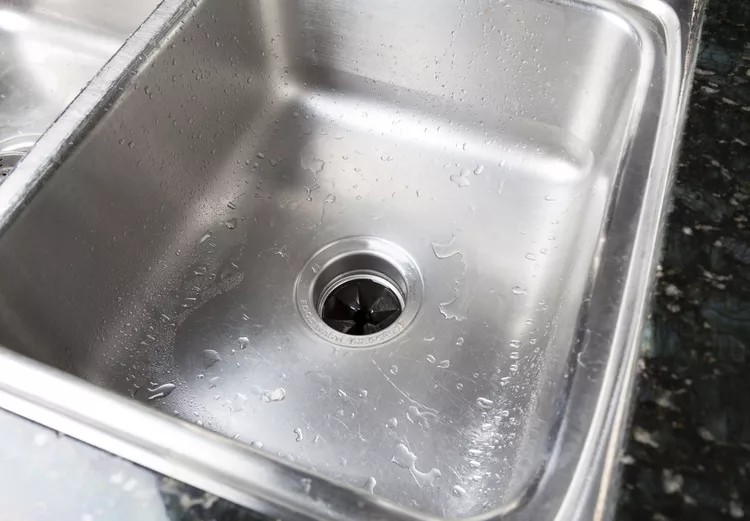
A garbage disposal may be convenient, but it is not suitable for every household. It sends food scraps into the wastewater system; it does not make that waste disappear. The U.S. EPA advises limiting disposal use with septic systems because food waste adds solids to the tank. Check installation costs and local wastewater guidance before adding one.
4. Add Ground Fault Circuit Breakers
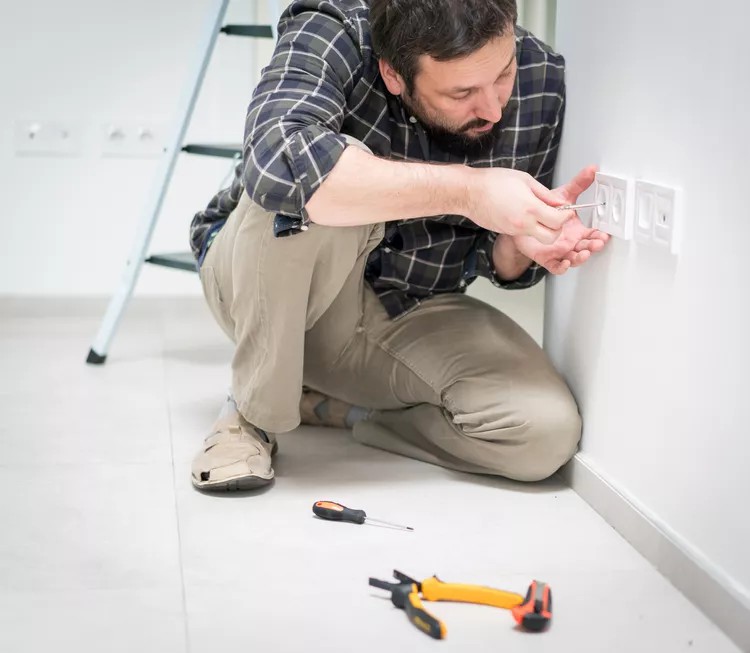
Ground Fault Circuit Interrupters, or GFCIs for short, can be found in the kitchen, bathroom, basement, and even outside of the home. GFCI requirements depend on the electrical rules adopted locally and the work being done. Have a qualified electrician assess the protection needed; absence alone does not establish this home’s legal compliance. The U.S. Consumer Product Safety Commission recommends GFCI protection in areas with higher shock risk. Ask an electrician about suitable devices and installation costs.
5. Attic addition for increased space

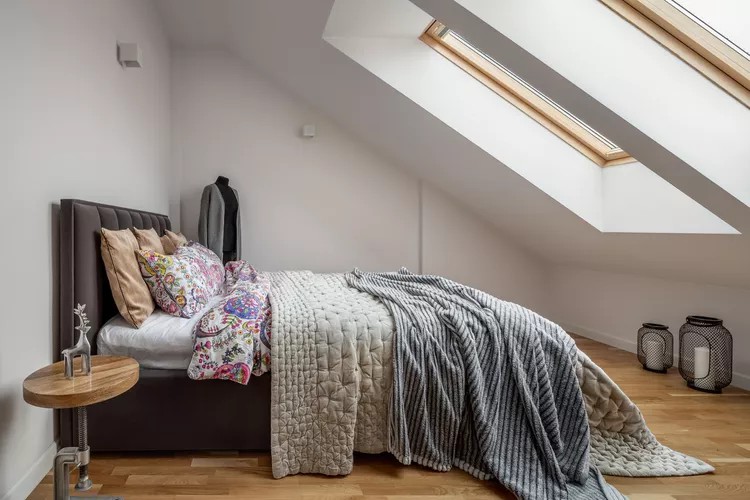
An attic conversion may create living space within the existing footprint, if the structure and layout are suitable. Before planning bedrooms or a bathroom, check local permit, structural, headroom, stair and escape requirements with the building authority and a qualified designer. An attic conversion is a major project; compare a site-specific quote with other ways of gaining usable space. Choose a room layout that fits the available space and local buyer demand rather than assuming that more bedrooms will increase the sale price.
6. Wireless Switch Kits Save time
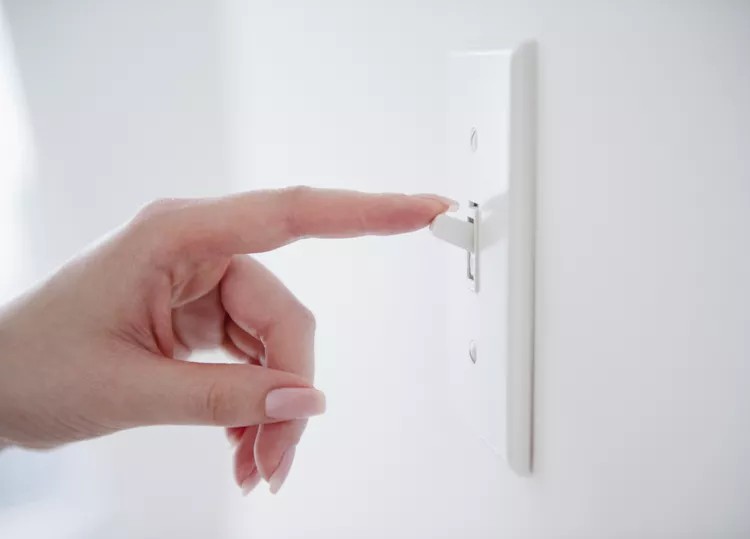
Wireless switches are a great option when you need to add another switch to a lighting circuit in your home. Wireless switches can be used to control lighting in hallways, stairways, or rooms that have two or more doors and only one switch. Some kits pair a wireless remote with a receiver or wired in-wall switch, avoiding a new cable to the remote location. The receiver or load-control device may still require electrical wiring. Check the specific kit’s load, wiring, range and mounting instructions and use a qualified electrician where needed. A compatible kit can provide control from another location; follow its instructions for the existing switch arrangement.